Here you can read a short summary about all official Touhou material in chronological order. This page will be updated with new released media.
Shoot 'em Up Games
All games Windows PC games made largely by ZUN, including .5 titles.

Touhou Scarlet Devil Land ~ the Embodiment of Scarlet Devil is the first Touhou game for Windows personal computers. It was largely made before 2000, which is why ZUN refers to it as a "game of the extended 20th century" on his website.

This game is widely beloved by the fans- If you've heard of Touhou it's either the vocal remix of Bad Apple!! you've encountered, or the residents of the Scarlet Devil Mansion. ZUN wanted to make a western-inspired game and so it takes place in a European-inspired mansion with vampires, magicians and a time-stopping maid. Reimu's task is to stop the red mist coming from the mansion to restore sunlight to Gensokyo.
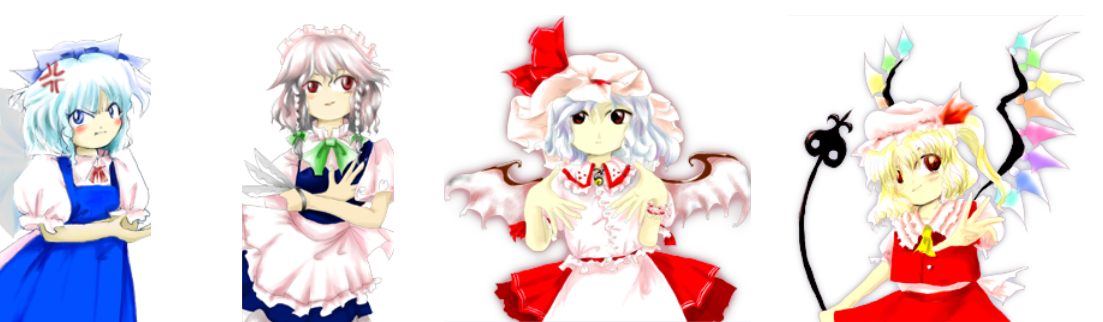
Some fandom favorites' first portrait art. Cirno, Sakuya, Remilia and Flandre respectively.
At this time, ZUN was still getting used to the new platform and as such, the controls are a little clumsy. The spellcards don't necessarily help either. It's not like it's impossible to get used to, but it's definitely not a beginner game. The story itself still has the PC-98 staples of being joke-based and referential and the plot itself is pretty simple as well. It's simple, good fun, and a wonderful first entry on the platform.

Touhou Ghostly Dream ~ Perfect Cherry Blossom introduced a lot of improvement and interesting concepts into the series. This time, the plot, themes and characters are strongly rooted in Japanese folklore, and the game itself makes for a wonderful second entry on the Windows PC platform.
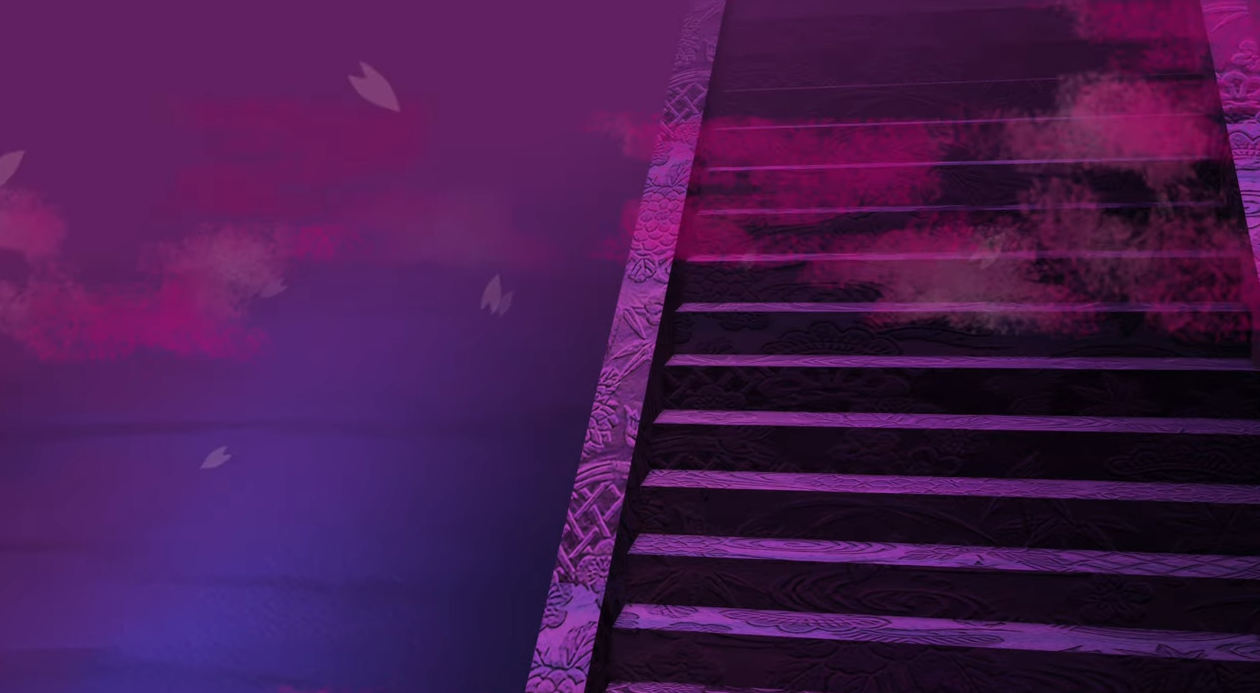
Some of PCB's stages. Click to enlarge.
This time, winter doesn't come to an end in Gensokyo, and so, Reimu (or Marisa, or Sakuya) set out to investigate. Their journey leads them up in the sky, and then, the Netherworld.
The game features three playable characters and two extra stages, and the spellcards are more complex than ever. Some of the most popular characters, Yukari Yakumo and Yuyuko Saigyouji get introduced as well. Although they're all as aloof as ever, the element of mystery gets introduced, which sets them all up for more complexity in this game, and in their future appearances.
 |

Imperishable Night has a strong theme of time and eternity, which is well-woven into the game itself, including but not limited to the characters themselves. All player character pairs are youkai-human pairs who all have different motives for embarking on their journeys, but do so for a common cause.
The game's aesthetics reflect Japanese autumn nights flawlessly with their colors and the textures used, and the stages serve to exacerbate that with their seemingly handpainted assets which are bathed in deep browns, blues and purples.
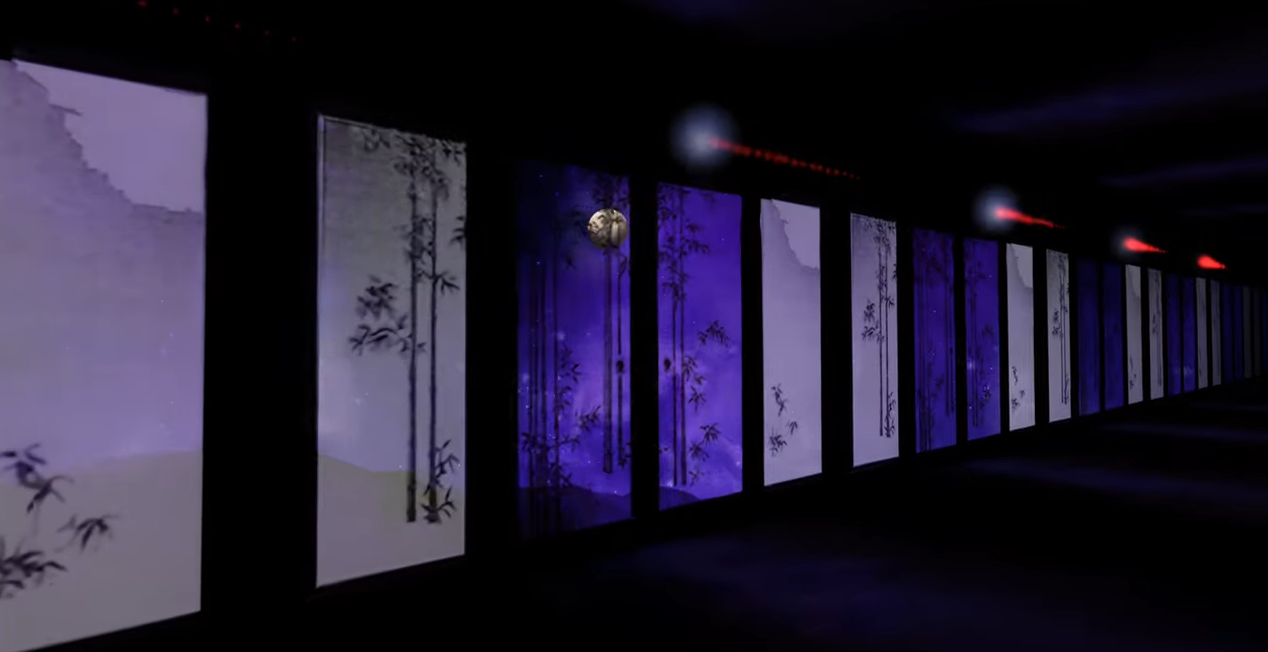
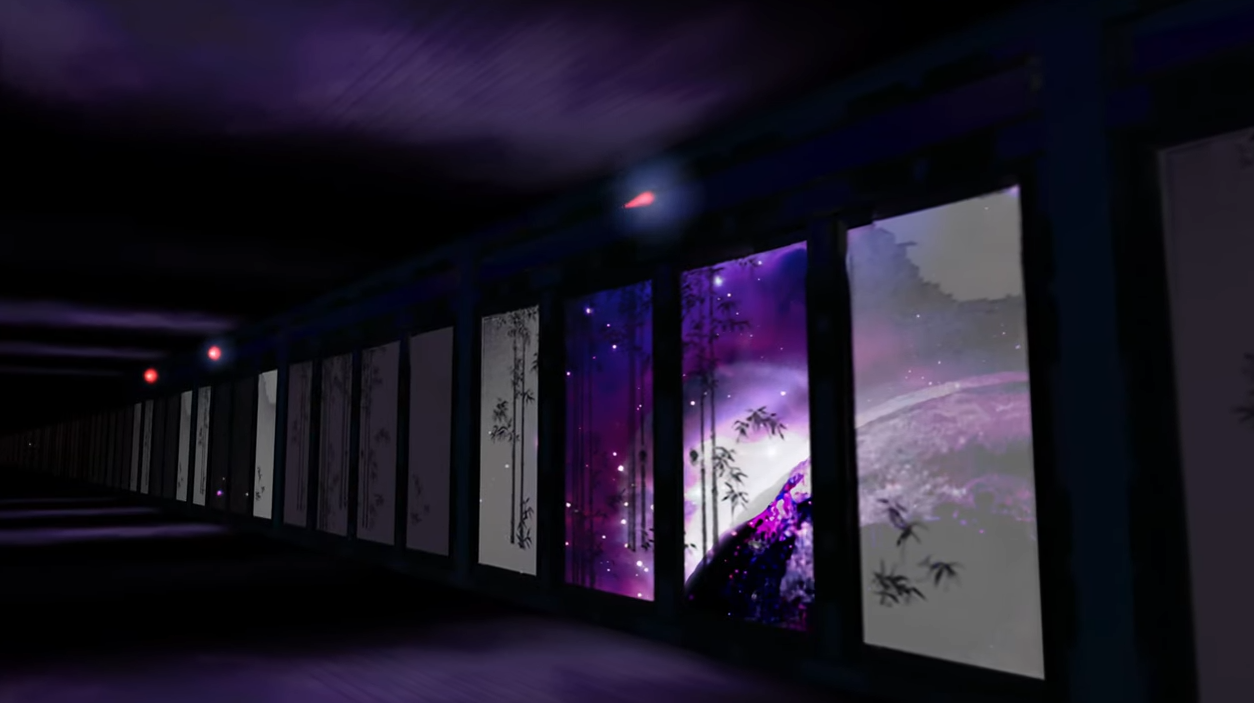
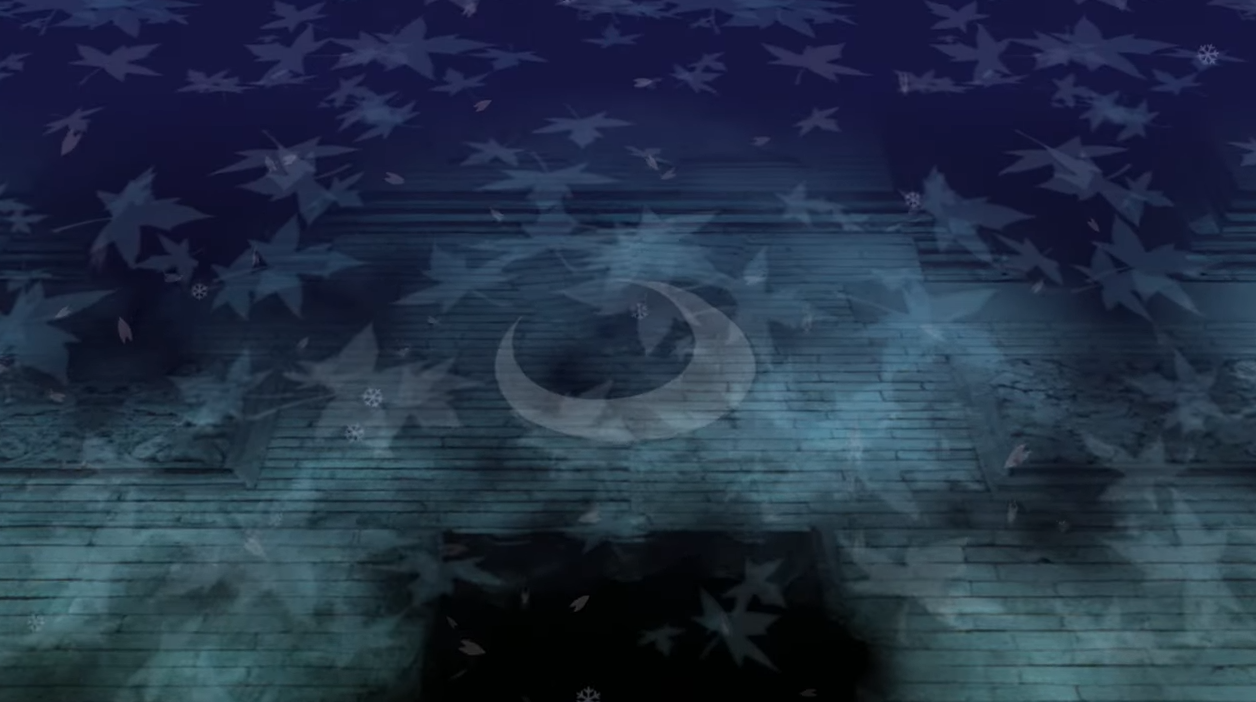
The real and the fake moon. Click to enlarge.

Touhou Flower Reflecting Mound ~ Phantasmagoria of Flower View is the second "phantasmagoria" game in the series. It expands on the formula not only in its mechanics, but its staggering 14 playable characters as well.

This time around, the conflict is caused by something rather innocent: blooming flowers. Although it's spring, the plants of all seasons started blooming, and it's up to the protagonists to solve this issue (?). The threat, or rather lack thereof, allows for previously seen characters to stop and breathe a little and have their relationships explored with other characters or even life and death.
The slice-of-life scenarios are very antithetical to the rather chaotic and competitive gameplay, though it's many people's first game of choice for its lower barrier to entry, since reaching the endings is easier than in other games.
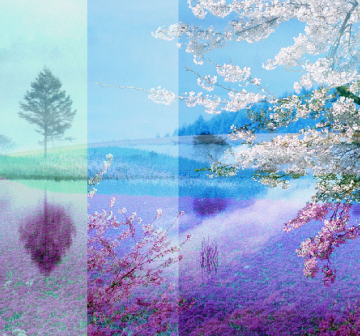
The background of the credits. Click to view.

Touhou Word Flower Album ~ Shoot the Bullet introduces us to the "photo game" subgenre featuring audience favorite Aya Shameimaru, the tengu journalist.

Photo games are danmaku games that involve the player taking pictures of the enemies to damage them, or their bullets to erase them. There isn't a linear set of stages this time, your goal is to finish the stages one at a time by taking good photos of the enemies and surviving the spells. This allows for new, even more difficult spellcards to be introduced.
The gameplay loop is rather trial and error, definitely not for everyone, but still a well-made game with an interesting concept. The main appeal is definitely Aya's remarks and 100%-ing the game.
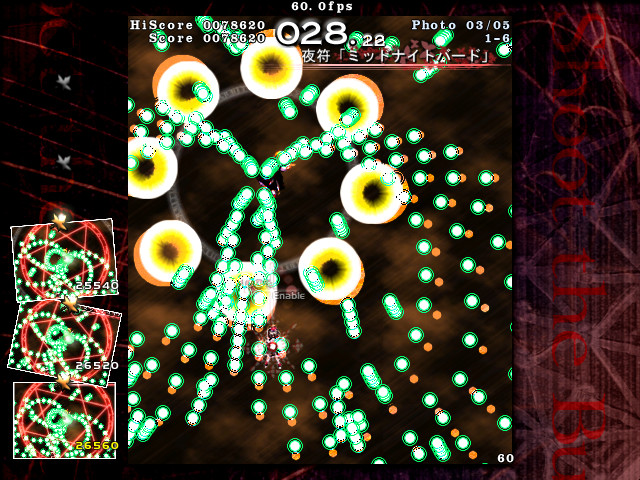
An StB stage. Click to view.

Touhou Wind God Chronicles ~ Mountain of Faith is a simple, yet refreshing return to the good old shmup formula with some rough-around-the-edges features cleaned up and more interesting themes introduced. This time, the focus is on the divinities of Gensokyo, and their place in its ecosystem.

The general presence of red and the simple gameplay with only two playable characters is reminiscent of Touhou 6, though these have different places and meanings in this game. It might seem strangely optimistic and its characters oddly friendly, which they are. It lends a celebratory feeling to the game even in the heat of battle. That is to say, this game celebrates community, life and the gifts of nature.
This is the retrospective introduction of arcs to Touhou. The kami of the mountain and their shrine maiden will become series regulars who'll affect Gensokyo in many ways in the future. Likewise, they stick out like a sore thumb among the characters at first, but with their addition, the world of Gensokyo adjusts and adopts what makes them stand out.
Touhou Earth Spirit Palace ~ Subterranean Animism is the polar opposite of the Mountain of Faith. Mountain vs. cave, youkai vs. kami, easy vs. difficult. The mood continues to be lighthearted, even in the heart of darkness. This could be the theme of the game, if I'm being honest.

The game involves the player descending into Hell, more or less, visiting underground cities, palaces and fiery pits of despair, just to stop the flow of strange geysers that recently popped up from the ground that release evil spirits into Gensokyo. It almost sounds like it isn't worth it, but believe me, it does. It's so worth going on this journey.
Even though this game is known for being one of the most difficult Touhou games, it's fair. It has tight controls, a very defined set of rules and many shot-types to choose from and experiment with. It'll be a difficult dive, but the game makes sure you don't get lost.
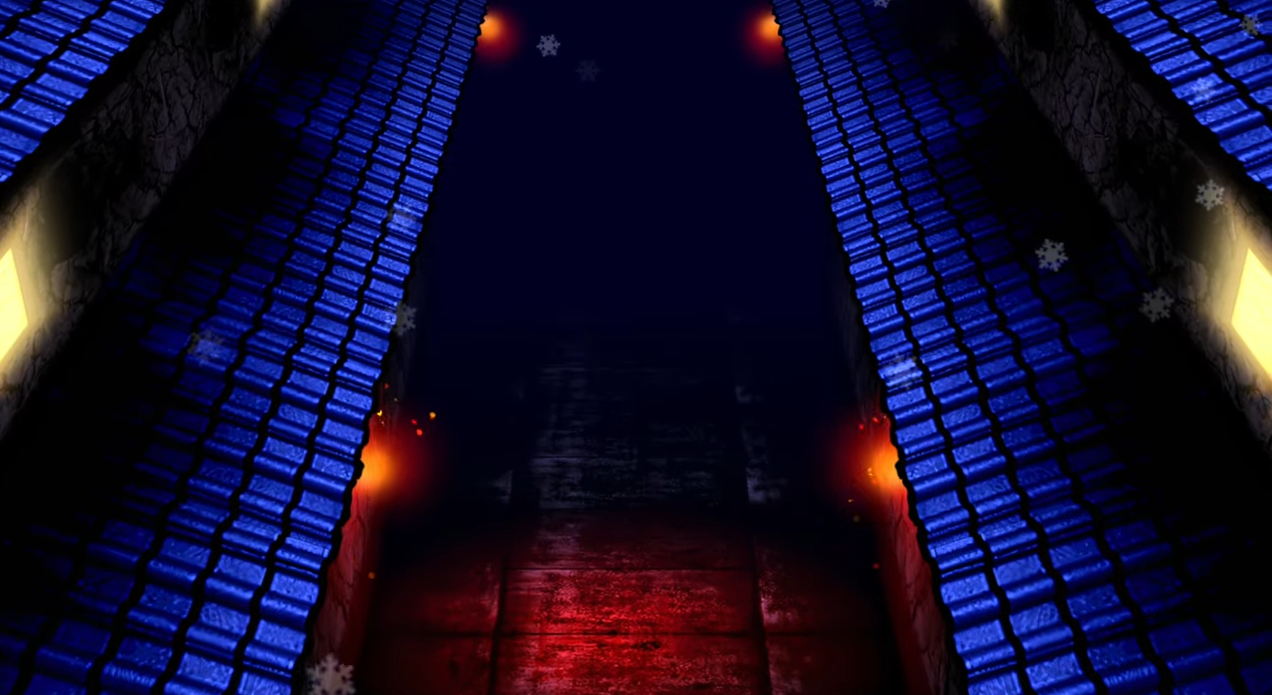
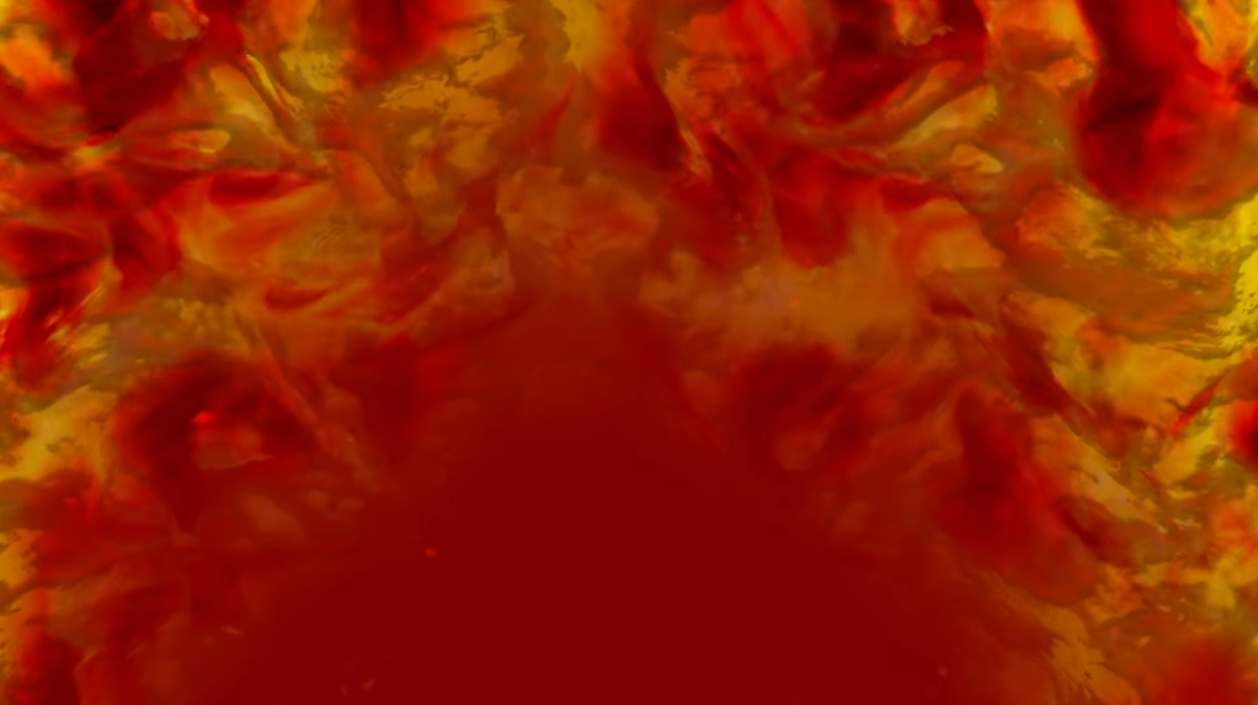
From snowy towns into hellfire. Click to enlarge.

Touhou Star Lotus Ship ~ Undefined Fantastic Object (yes, it's abbreviated as UFO), detaches itself a little from the standard shmup gameplay loop with its treasure hunting mechanic. Now that we're done with Shinto themes, we're going to roleplay as begging monks.

In this game, we follow and board a flying ship travelling to the all too familiar demon realm, Makai, meeting many strange youkai along the way.
The cast of UFO are the most well-written they've been so far, and are near and dear to many fans' hearts. The gameplay is rather divisive, you'll either love or hate it, but just like IN's mechanics did, it serves the themes of the game really well. Just don't get greedy when the curvy-lasers are introduced.
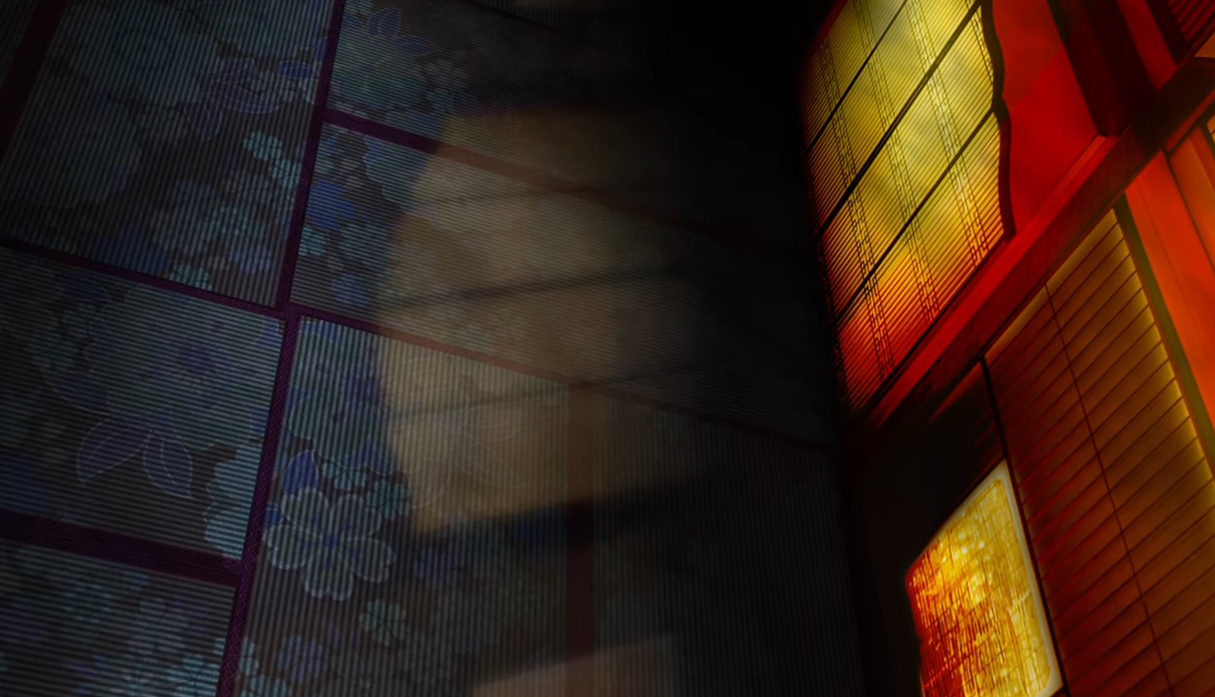 The enterior of the titular Star Lotus Ship. Click to view.
Double Spoiler ~ Touhou Flower Word Album is the second photo game of the series, this time featuring Hatate Himekaidou, a tengu with the ability to photograph future events.

Hatate, in fact, emerges as a rival of Aya, which is what sets off the plot of the game. Aya is the initial playable character while she's investigating Hatate's spirit photography ability, Hatate herself is unlocked later.
A new mechanic that was introduced is changing the orientation of the camera between landscape and portrait. Since Hatate uses a flip phone, portrait mode is the default for her.

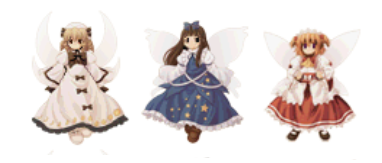
Great Fairy Wars ~ Touhou Three Fairies is a spin-off among spin-offs, largely feeling like a mainline game, but actually serving as the ending part of the Sangetsusei manga series' second volume.
The single playable character is Cirno, who sets out to fight the fairies of light, after they destroyed her house. She can take multiple routes across three stages, and an extra stage is unlocked when all routes were finished.
The gameplay has some of PoFV's DNA with the motivation and the ice-chaining mechanics, but is otherwise a pretty straightforward game. Its difficulty definitely makes up for that though, thanks to there being only three stages per route.
Touhou Divine Spirit Mausoleum ~ Ten Desires is an aesthetically, musically and narratively distinct entry to the series, which might be just what attracts people to it.

Once again, mysterious spirits appeared all across Gensokyo, and the protagonists' goal is to figure out the whys and hows. This narrative is rooted in reality and history a lot more than other entries, featuring an incarnation of Prince Shoutoku who has "passed into fantasy". For context, Prince Shoutoku appearing in Gensokyo would be like King Arthur appearing in the roster of League of Legends.
That's already rather outlandish compared to how little connection ZUN drew between his chaaracters and their inspirations so far, and you haven't even seen Seiga Kaku yet.
Touhou Shining Needle Caste ~ Double Dealing Character continues the mainline series with substantial changes in the engine and for that reason, the visuals and gameplay as well.

Despite that, the gameplay doesn't return to the simplicity of EoSD or MoF, in fact it ties the plot of the game (that is, living object trying to take over) into the gameplay in really interesting ways.
Keep in mind though, the interesting ideas brought up by the game might not always end up serving player enjoyment though. Seija Kijin. If you know, you know.
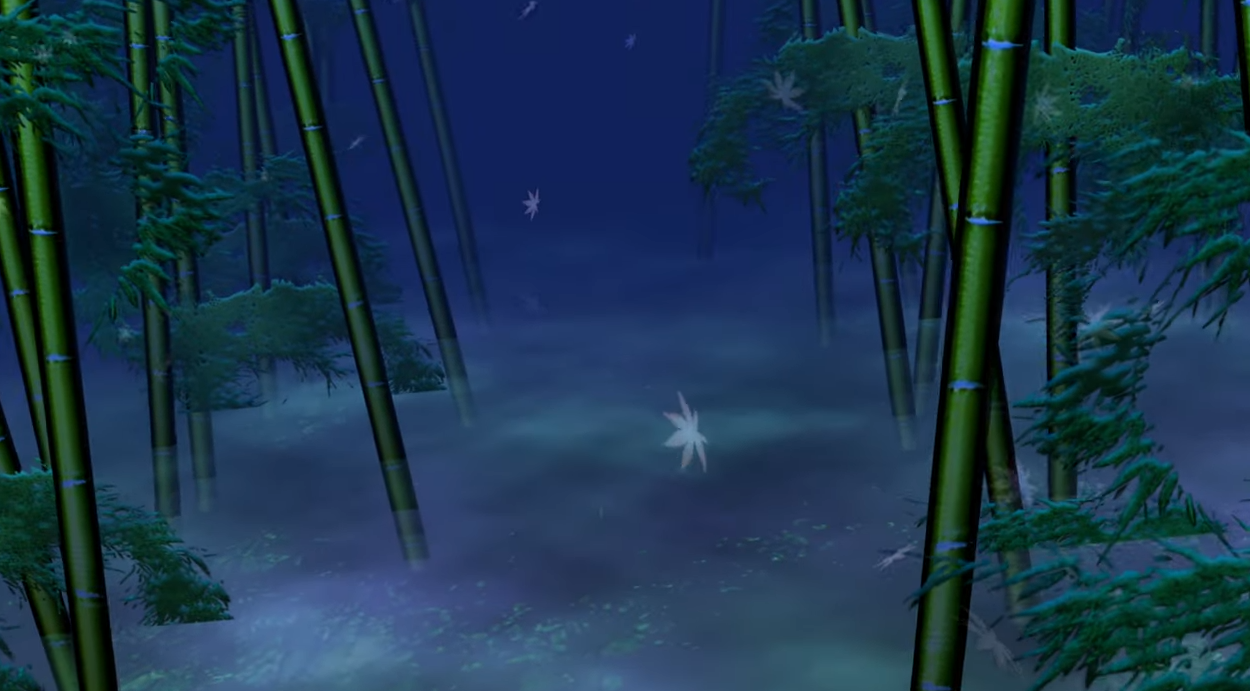
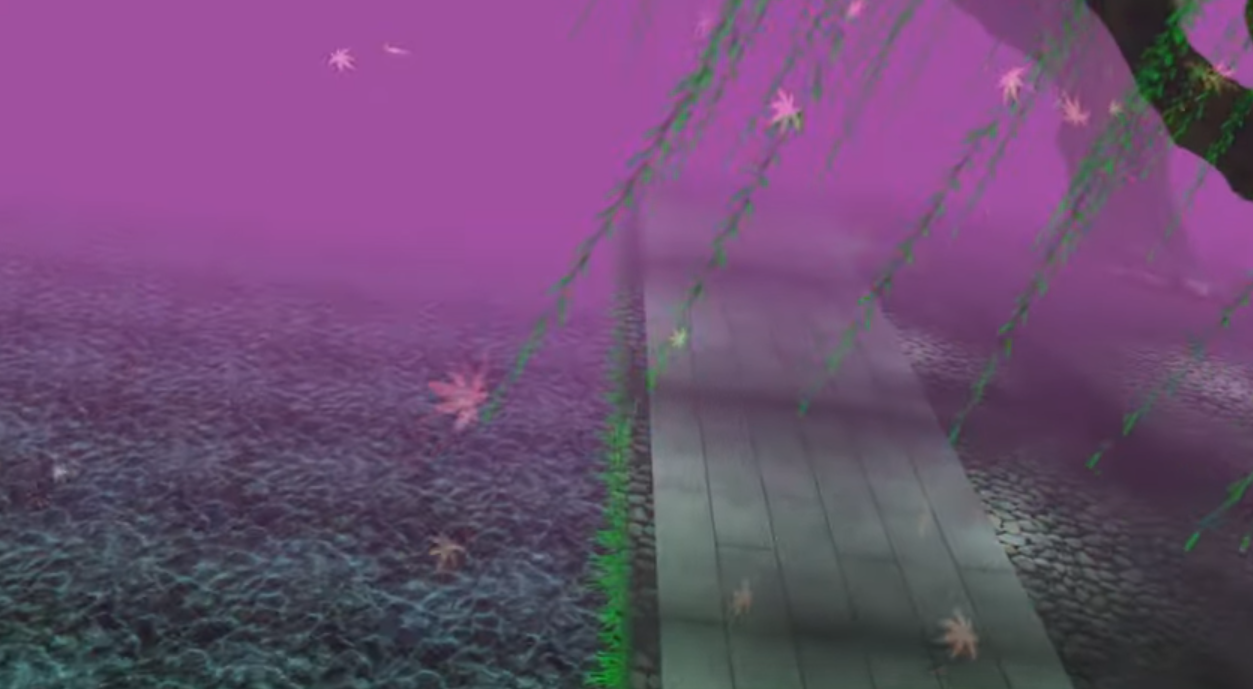
Some of DDC's stages. Click to view.

Speak of the devil (amanojaku), Seija Kijin happened to star in the very next game, Danmaku Amanojaku ~ Impossible Spell Card.


The photo game format was ditched in favor of "cheating items". The goal is still survival, but not to write a good article, but to escape from the hands of law as a wanted criminal. It's not like you can't play as a journalist though, since a toy camera is one of the cheating items.
This might be the first game in which you play as the antagonist, and that alone breathes a lot of life into the spin-off titles' repertoire.

Reportedly, this is by design. ZUN stated that it was inspired by rage games such as I wanna be the guy. Needless to say, he achieved what he set out to do. |
 |
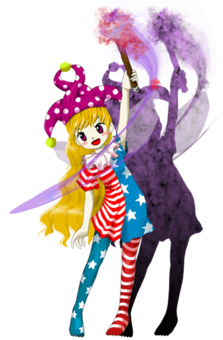
Outside of its difficulty, this game takes us to the Moon and the Lunar Capital, not to fight the Lunarians, but to protect them, and with that, protect Gensokyo as well.
The game actually comes with a Pointdevice Mode, which lets you save the game at checkpoints, and a Legacy Mode, which lets you play the game the traditional way. Both have their advantages and disatvantages, I suppose it depends on the player which is more worth playing.
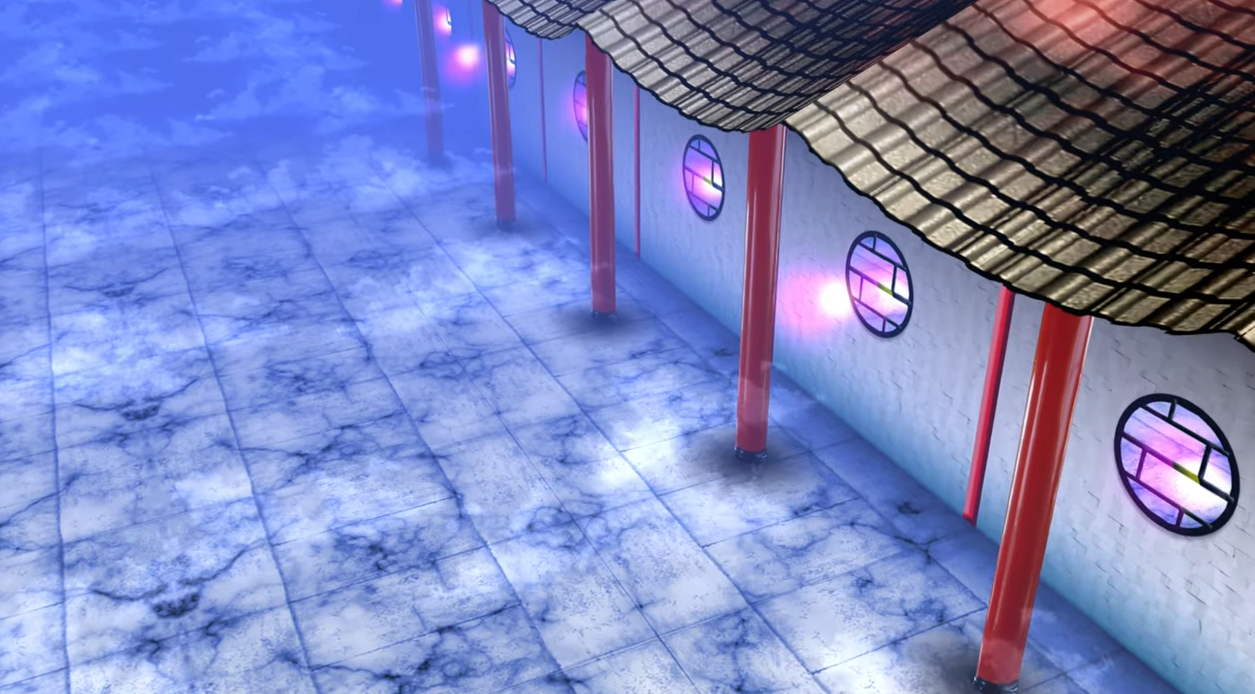
Our first view of the Lunar Capital in a game. Click to view.
Touhou heavenly Jade Dipper ~ Hidden Star in Four Seasons is another return to the simple danmaku shmup formula, with some flair.
This time around, the seasons seem to be mixed up all over Gensokyo. It's snowing above the Forest of Magic, but leaves are falling on Youkai Mountain. The cause of it is something no one expected. Or knew of for that matter, but that was by design.
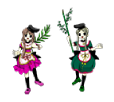
The power of seasons give a lot of room for experimentation in shot types and characters (four characters, and a primary and a secondary season), which is a welcome addition considering how straightforward the rest of the game is.
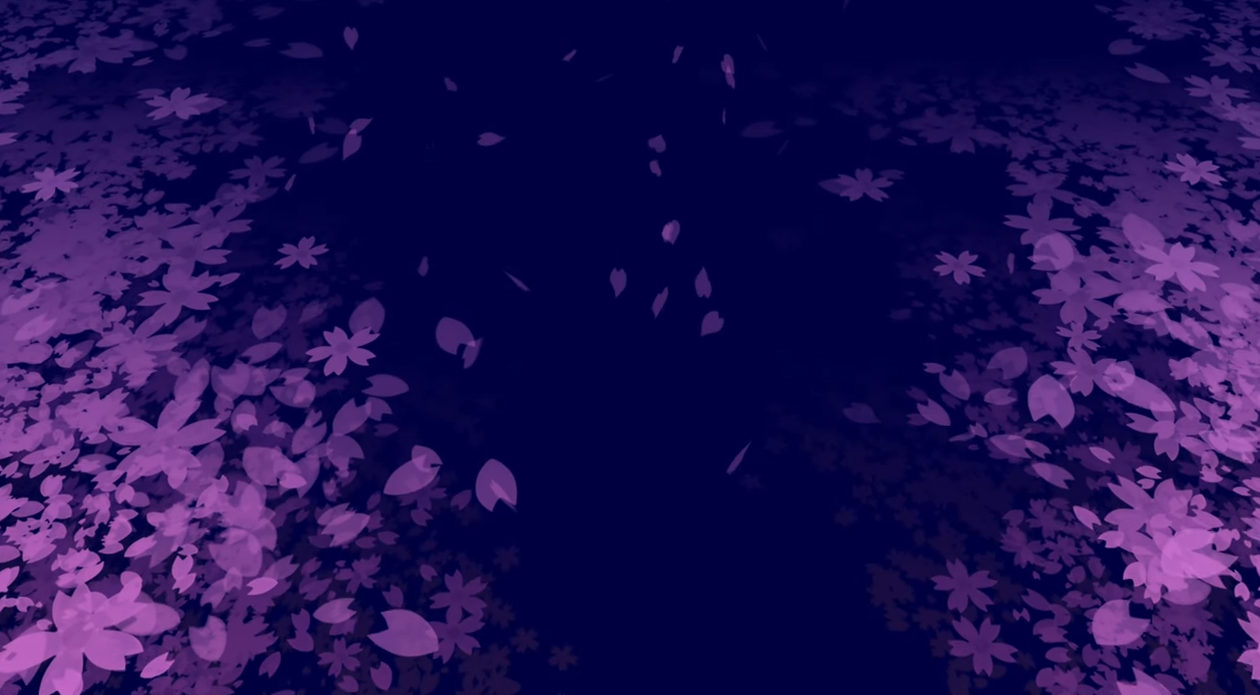

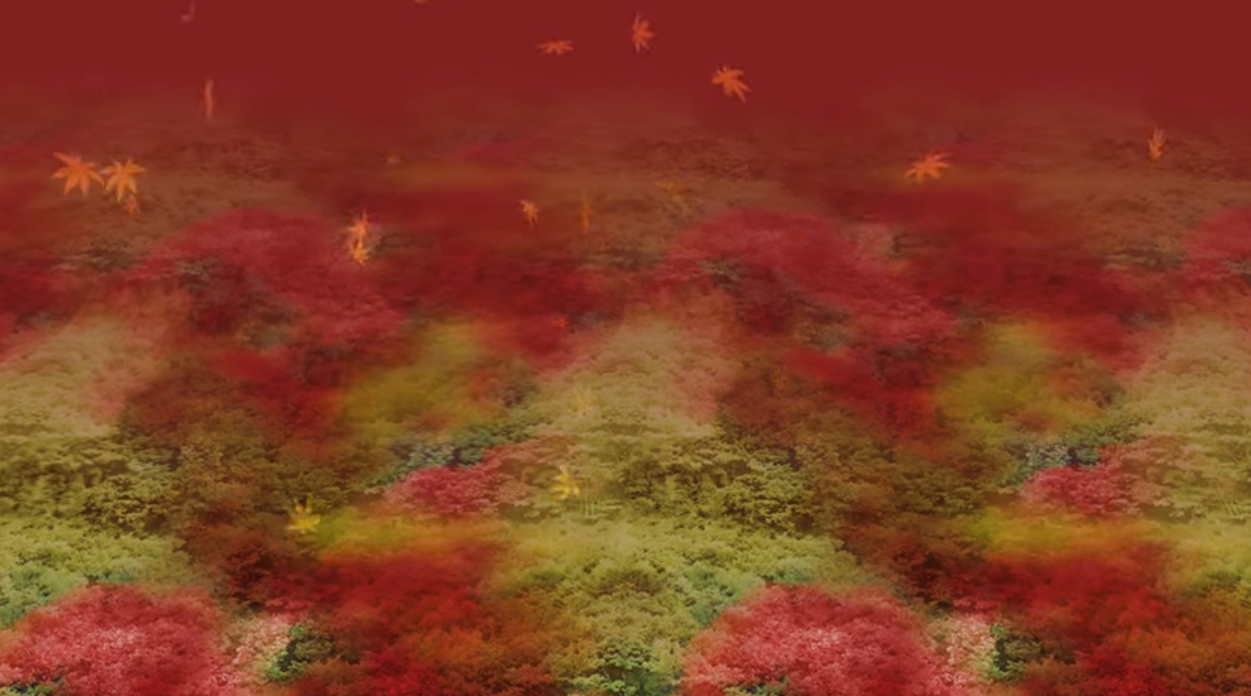

The first four stages in season order. Click to view.
Secret Sealing Nightmare Diary ~ Violet Detector is yet another photo game, this time featuring Sumireko Usami who's on a journey of photographing the residents of Gensokyo to post on her social media.

Sumireko's psychic abilities allow for more complex gameplay, i.e.: more ways to avoid otherwise unavoidable danmaku. These can take a while to get used to, but provide a varied gameplay experience with many methods of dodging to be experimented with.
Of course, this game features newly debuted characters from previous games, who may or may not have the ability to toy with a teenager lost in her own nightmares.
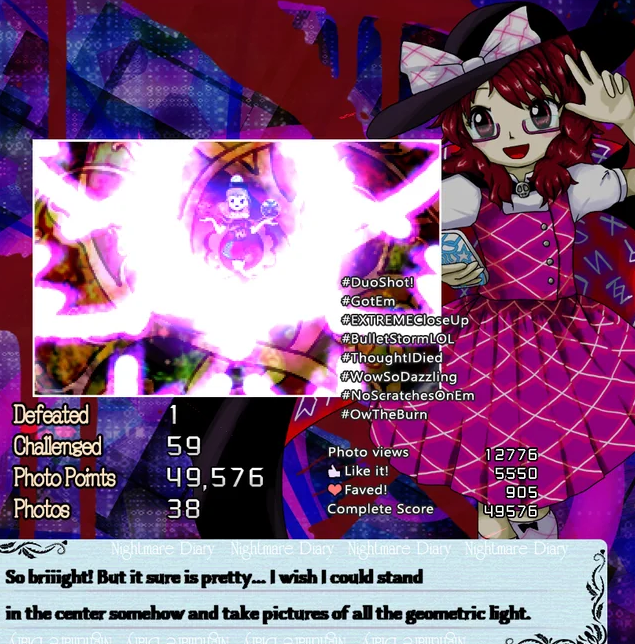 Naturally, Sumireko attaches hashtags to her posts.
  |

UFO's treasure collecting mechanics are back in the form of roaring mode: collecting beasts spirits to possess the player character and bring out their inner animal. Which animal you choose ultimately doesn't matter in the face of an enemy who cannot even be touched by them.
The games' narrative themes are at their strongest at this point, using the relentless dog-eats-dog mentality of the beasts as a metaphor for modern society. Makes you think if the Animal Realm is below the Human Realm or on the same level.
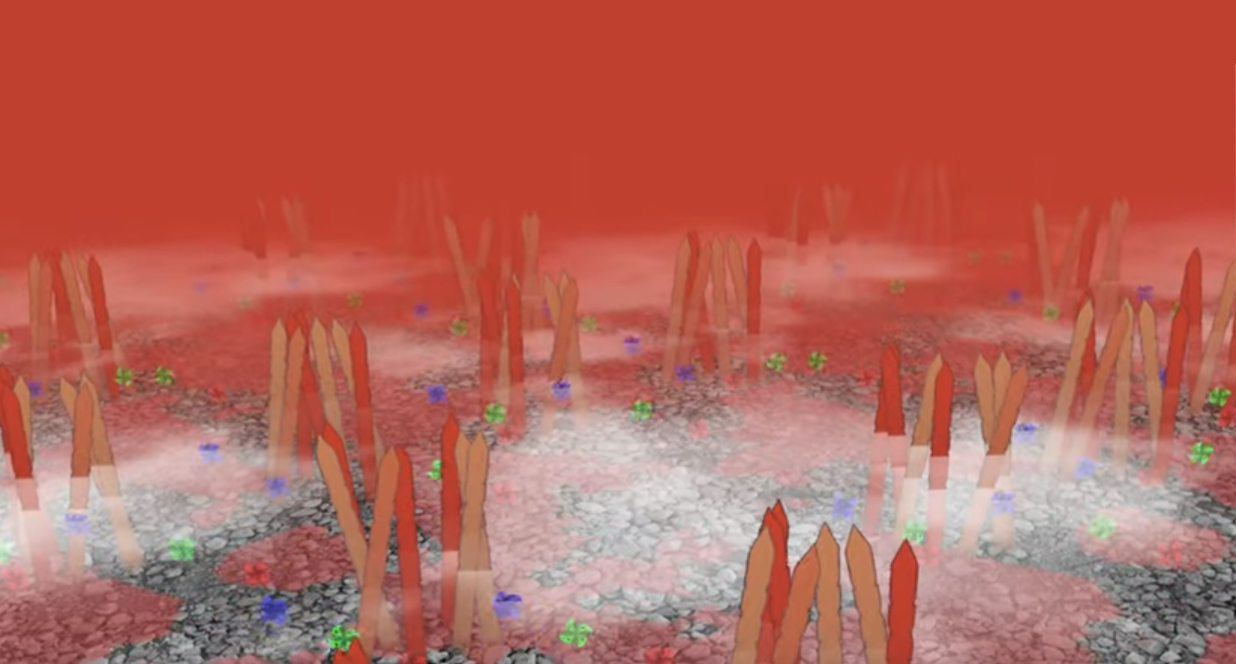
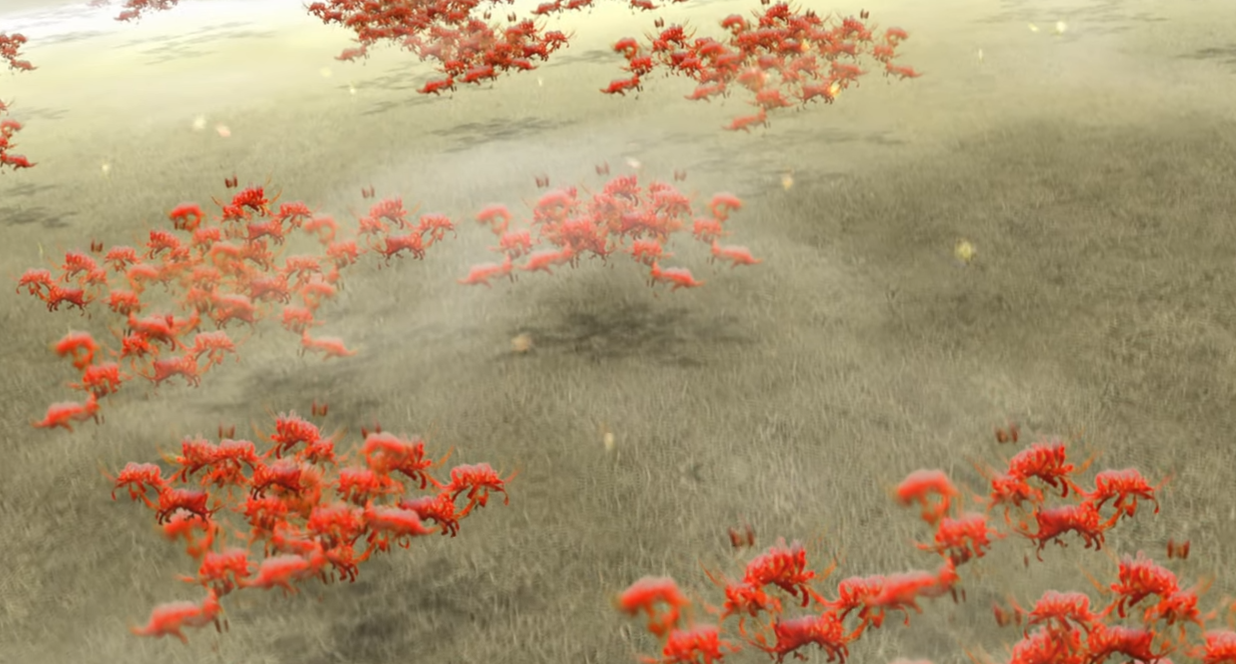
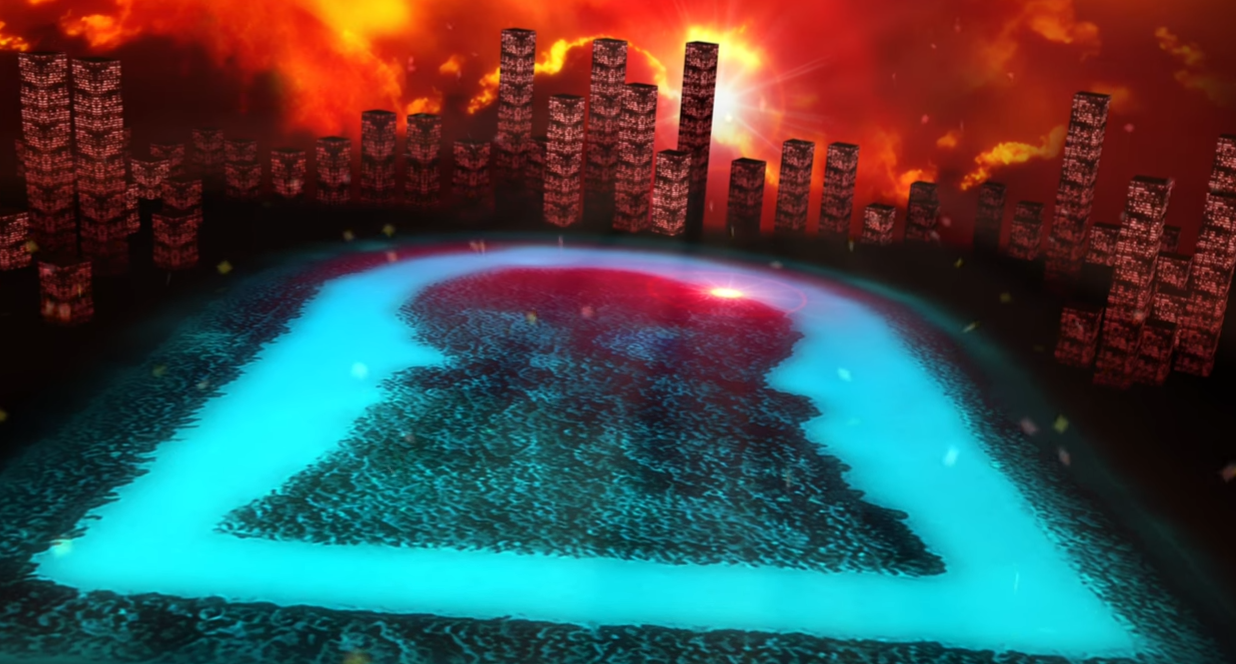 Some of WBaWC's stages. Click to view.
With Touhou Rainbow Dragon Cave ~ Unconnected Marketeers, we return to Gensokyo to solve the mystery of the ability cards that appeared all over the place almost overnight. The cards seem to have copied most everyone's abilities, allowing for whoever possesses them to use those abilites.

This premise introduces a card collecting mechanic into the shmup formula, not only needing to accumulate points, but money as well this time. All cards come with different abilities and combined, they can make quick work of anyone who challenges you. Implied you have the money.
Collecting all the cards is indeed something to strive for, as having more cards gives you more opportunities to experiment.
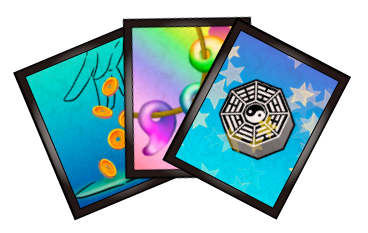

Bulletphiles' Black Market ~ 100th Black Market is the only game where Marisa Kirisame is the sole protagonist. Naturally, she wouldn't be satisfied with the cards collected in UM, she has to set out to gather more. For research, of course.

This .5 game is the most removed from the photo game formula, as the main goal isn't even to survive waves of danmaku, but to reach the end of the stage with as much money as possible, to purchase cards.
The game itself is short and sweet, but the cards give it a lot of replay value and opportunities to experiment.
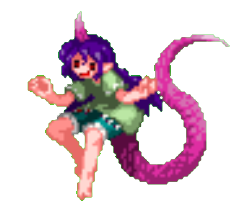
Touhou Beast King Garden ~ Unfinished Dream of All Living Ghost is yet another phantasmagoria game, albeit the first one to not feature phantasmagoria in the title. This time around there are 19 playable characters, featuring the beast matriarchs from the previous games, as well as many other characters.
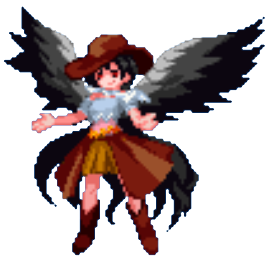
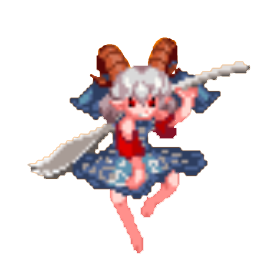
The previous two games' main themes were ownership, and after these incidents, Gensokyo lost its ownership, causing the beasts to try and get their hands on the land. What transpires is an interconnected game of chess among them and the residents of Gensokyo in a race for ownership.
As you can expect, the game is full of twists and turns, compensating for the more lowkey gameplay this time around. That said, if you can't get enough of it, the multiplayer mode is there for everyone to enjoy. Implied the server cooperates.
Touhou Capital Above Magnificence ~ Fossilized Wonders is a jubilee game both in the literal sense, and because it was made to be a tribute to the whole series.
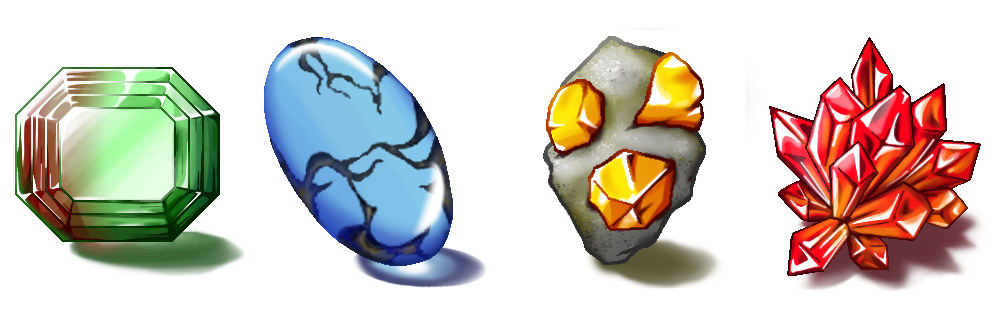
The plot this time is a reverse of the 8th games, as this time, the same day repeats over and over again. Reimu and Marisa arm themselves with mysterious magic crystals and set out to find out what's causing it.
The story deals with themes such as conspiracy theories, ezoterica, generative AI and in general, the corruption of information. It's an oddly somber entry with high difficulty to boot, all of which makes it an iconic game within the series.